
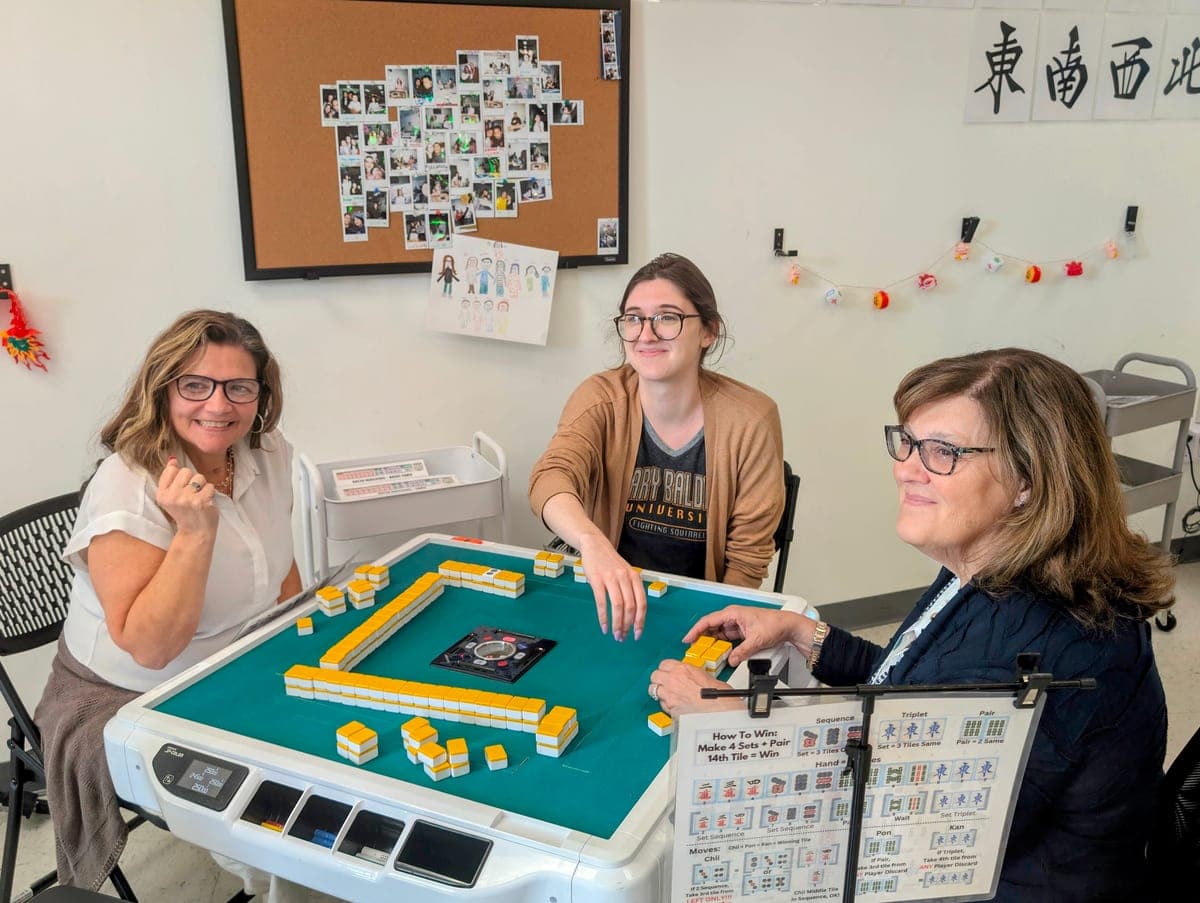
The stigma is heavy, but we will not ignore it or leave it behind.
Too often, people look at riichi mahjong and only see gambling tropes, anime references, or a game that seems too dense to understand from the outside. That misses the point. The table is fair. The game is solid. And once you spend real time with Japanese mahjong, it becomes clear that the chaos on the board feels a lot like life itself.
That is why this game deserves to be called an intellectual sport.
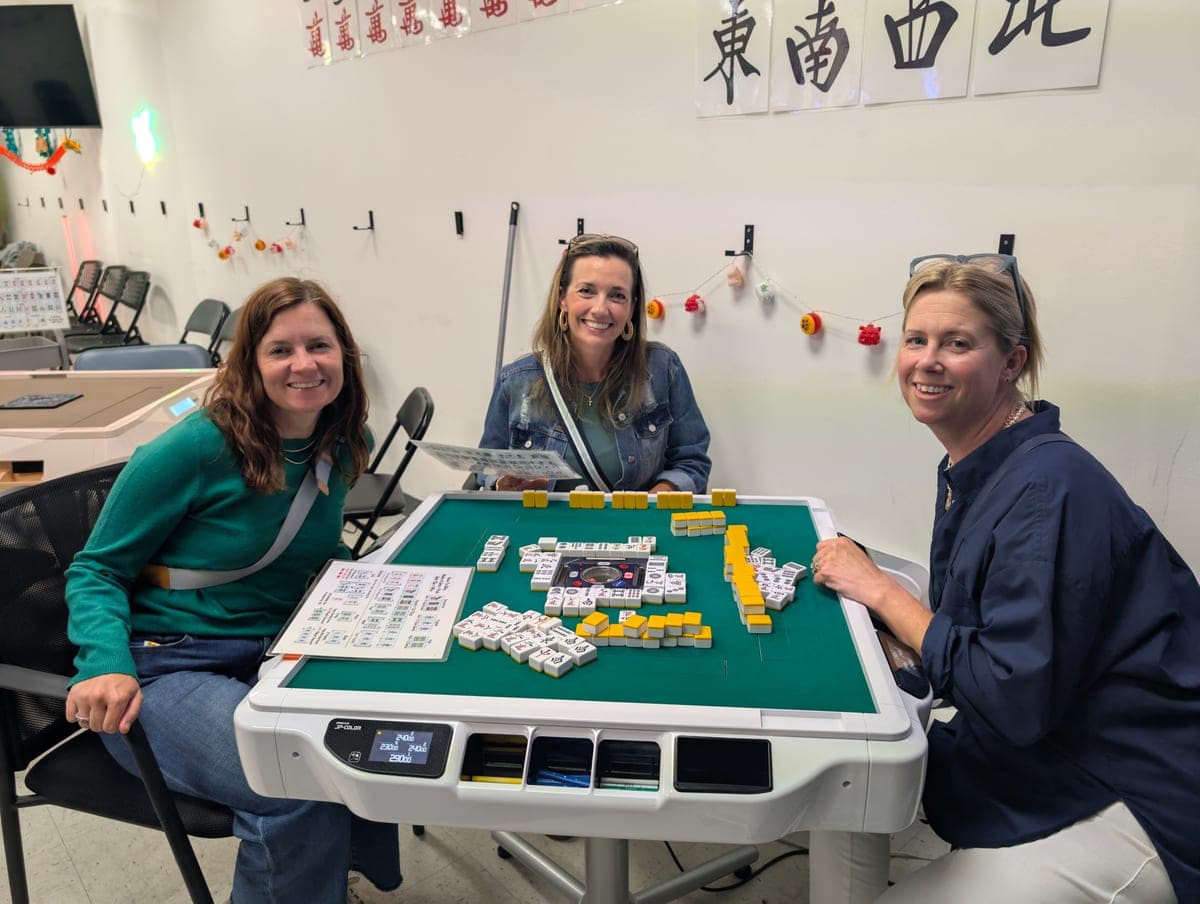
Mahjong Is An Allegory To Life
Every hand begins with uncertainty.
You draw into a shape you did not choose. You inherit risk. You inherit possibility. The board state is never fully under your control, just like the rest of life. What matters is what you build from there.
In riichi mahjong, every player enters the same arena with the same basic chance to find a path forward. Some travelers are further down the road. Some are brand new. But anyone can sit at the table and begin the work.
Players lose themselves in that world for a while. Then they return to ordinary life slightly different than before, drawing from the experience whatever they needed, discarding what they no longer need, and growing at their own pace.
For anyone curious about how to play riichi mahjong, that deeper appeal is part of the answer. People stay because the game keeps revealing something about the way they think.
The Table Is Fair, But It Does Not Protect You
No one wins all the time.
The best players know that skill is not the same as control. You can do many things right and still face a bad draw, a dangerous discard, or a hand that never fully comes together. At minimum, you learn to protect yourself from unnecessary loss.
That is where real mahjong strategy begins.
Some players become so focused on making no mistakes that they also give themselves no chance to win. Others move faster than everyone else because they understand their own strengths and know how to turn momentum into results. The table gives both approaches room to exist, but it rewards clarity. When to attack. When to defend. When to let go of ego. When to commit.
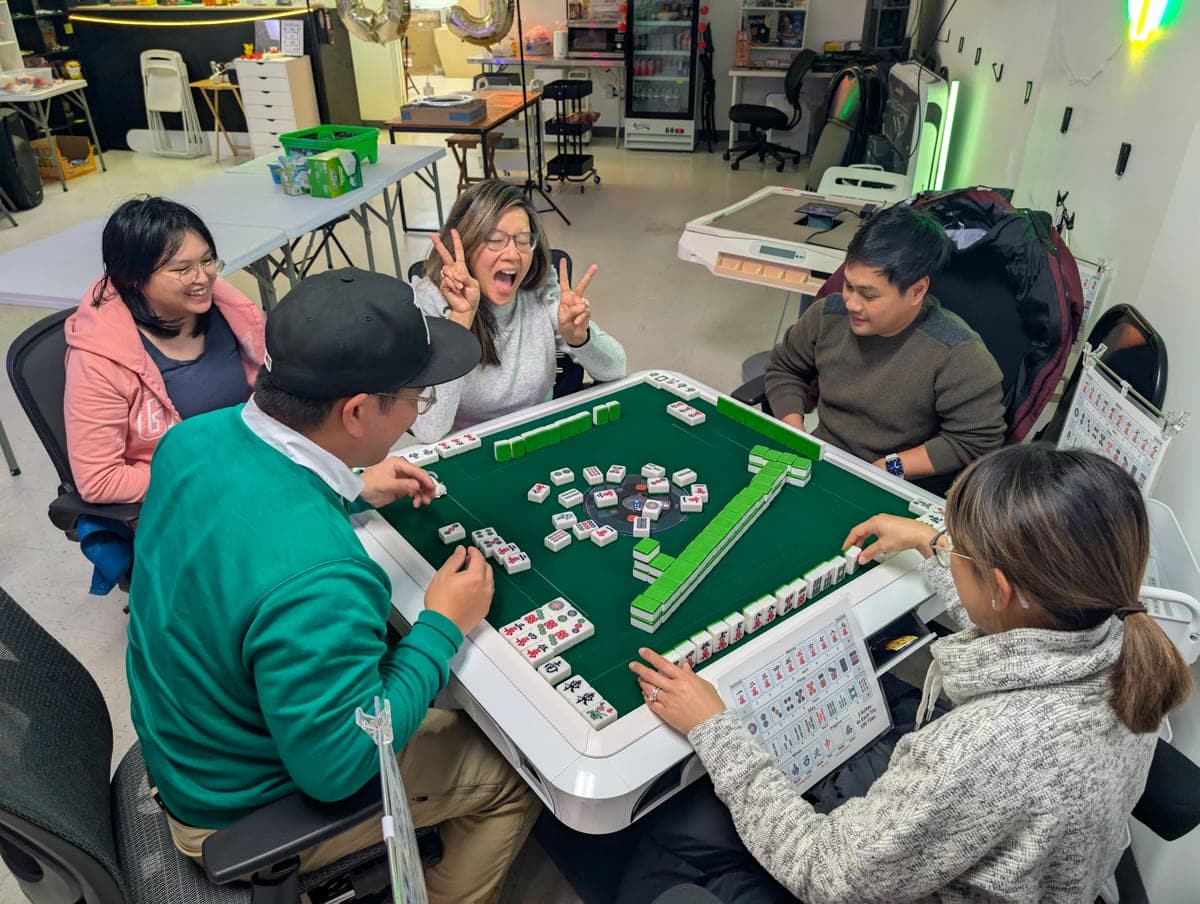
Discipline Has The Edge, But Risk Has The Upside
The disciplined player will usually have the advantage over time.
They read discards carefully. They manage danger. They understand tile efficiency. They protect position. They respect the fact that small mistakes compound.
But the risk taker has access to something different: the biggest potential.
That tension is one of the reasons riichi mahjong feels so alive. You are always measuring safety against opportunity. If you pour commitment into the right action at the right moment, you can unlock the slimmest chance to alter your fate and reach the result you were seeking. Not because the game handed it to you, but because you recognized the moment and accepted the cost.
Some of the best mahjong tips are really lessons about character:
- build with intention
- protect yourself when the table turns against you
- do not confuse passivity with discipline
- do not confuse recklessness with courage
- commit fully when the moment is real
Adaptation Is What Lets You Survive
Situations are always changing.
The live tiles change. The threats change. The pace changes. Your role at the table changes. The most adaptive and resilient players are the ones who survive long enough to reach the end with something still left to fight for.
That is another reason Japanese mahjong feels deeper than its surface reputation. A hand is not just a puzzle. It is a moving situation. The answer is different depending on what came before, what your opponents are showing, and what you are willing to risk now.
This is why people who love the game rarely describe it as random for long. Variance exists, but resilience is a skill. Adaptation is a skill. Emotional control is a skill.

Why Players Return Different
People do not come back to riichi mahjong only because they want to win more.
They come back because the game gives them a place to test themselves honestly.
It shows whether they can stay calm inside uncertainty. It shows whether they can recover from loss without collapsing into frustration. It shows whether they can keep building even when the shape is ugly. It shows whether they can see a path other people missed.
That is what makes the game feel transformative. You sit down as one version of yourself, and if you stay with it long enough, you get up carrying something new.
If you want to understand that feeling in person, start with the Riichi Mahjong page, learn the structure through Mahjong Lessons, and then watch how it comes alive in real games.
Why Setting Sun Is The Right Place To Experience It
The strongest argument for this game is still the table itself.
At Setting Sun Virginia Beach, players can move from reading about riichi mahjong to actually sitting down and feeling the rhythm of the game in a live room. That matters. A game this layered becomes real when you hear the tiles, watch the decisions, and feel the pressure of your own choices.
Setting Sun gives readers a practical next step:
- weekly workshops for newer players
- regular open play for building comfort and table presence
- tournaments for people who want to test themselves under pressure
- a local community where improvement happens in public, not in isolation
If you are ready to stop watching from the outside, check the Events Schedule, browse upcoming events, or use the Contact page to plan your visit.

FAQ: Riichi Mahjong As An Intellectual Sport
Is riichi mahjong mostly luck?
Luck affects every hand, but the long run still rewards discipline, adaptation, defense, and good decision-making. That is exactly why many players see it as an intellectual sport rather than a casual pastime.
Is riichi mahjong the same as standard mahjong?
Not exactly. Japanese mahjong has its own pace, scoring, yaku system, and risk structure. That distinct ruleset is a big part of what gives the game its competitive identity.
Why do people care so much about mahjong strategy?
Because the game keeps asking the same hard question in different forms: what matters most right now? Speed, safety, value, pressure, position, or survival? Strong mahjong strategy is really the art of answering that question well.
Where can I play riichi mahjong in Virginia Beach?
Start with Setting Sun Virginia Beach, then use the Events Schedule and Riichi Mahjong page to find the right night to visit.
Final Thought
We play the game not because it is easy.
We play because it is fair. Because it is demanding. Because it reflects something true about uncertainty, effort, ambition, restraint, and growth.
The board is chaotic. Life is chaotic. In both, the question is the same: what will you build from what you were given?